Scratching the Surface of Ice
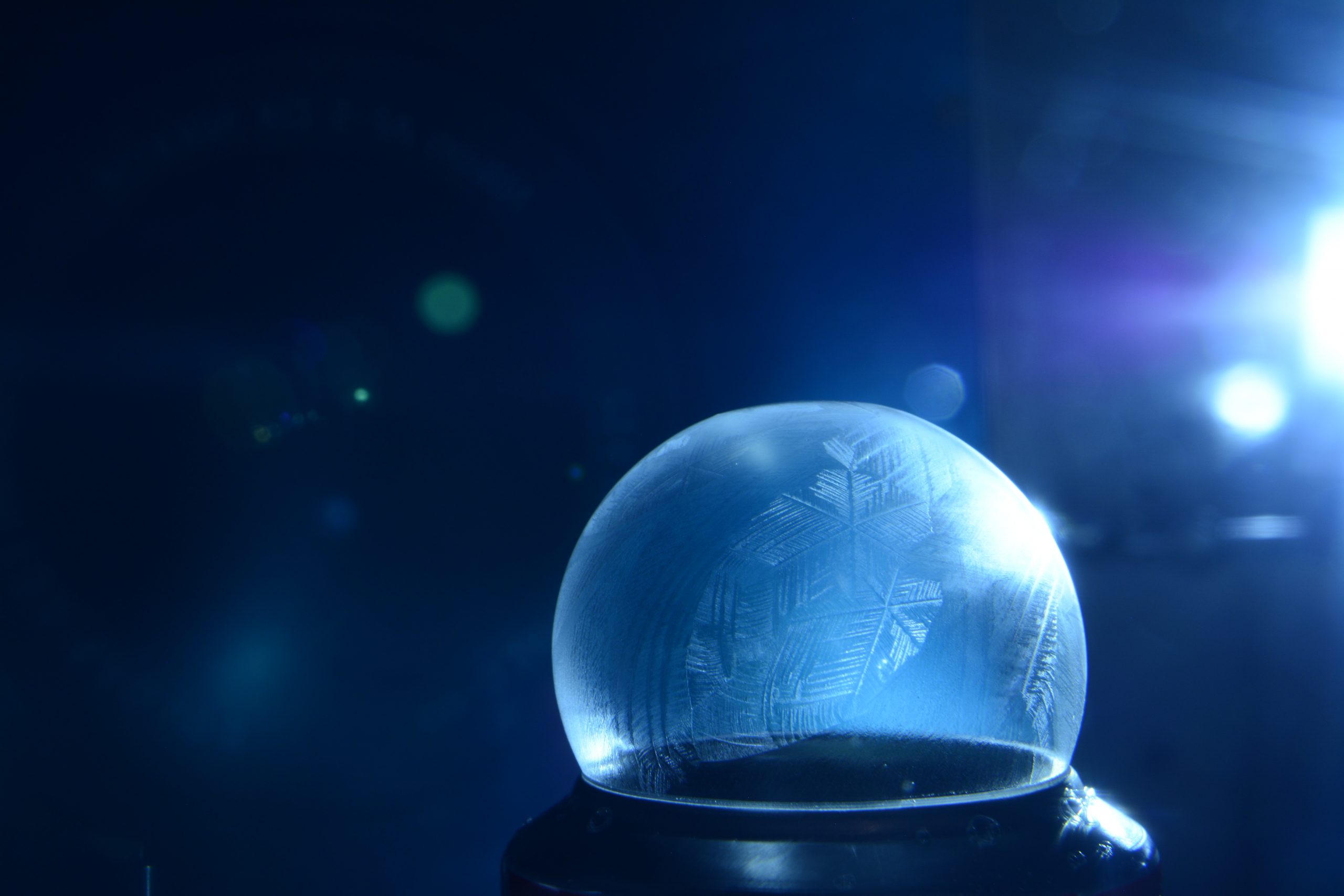
The macroscopic properties of ice—ranging from its low friction to its complex growth morphologies—are fundamentally governed by the behavior of its outermost molecular layer. For
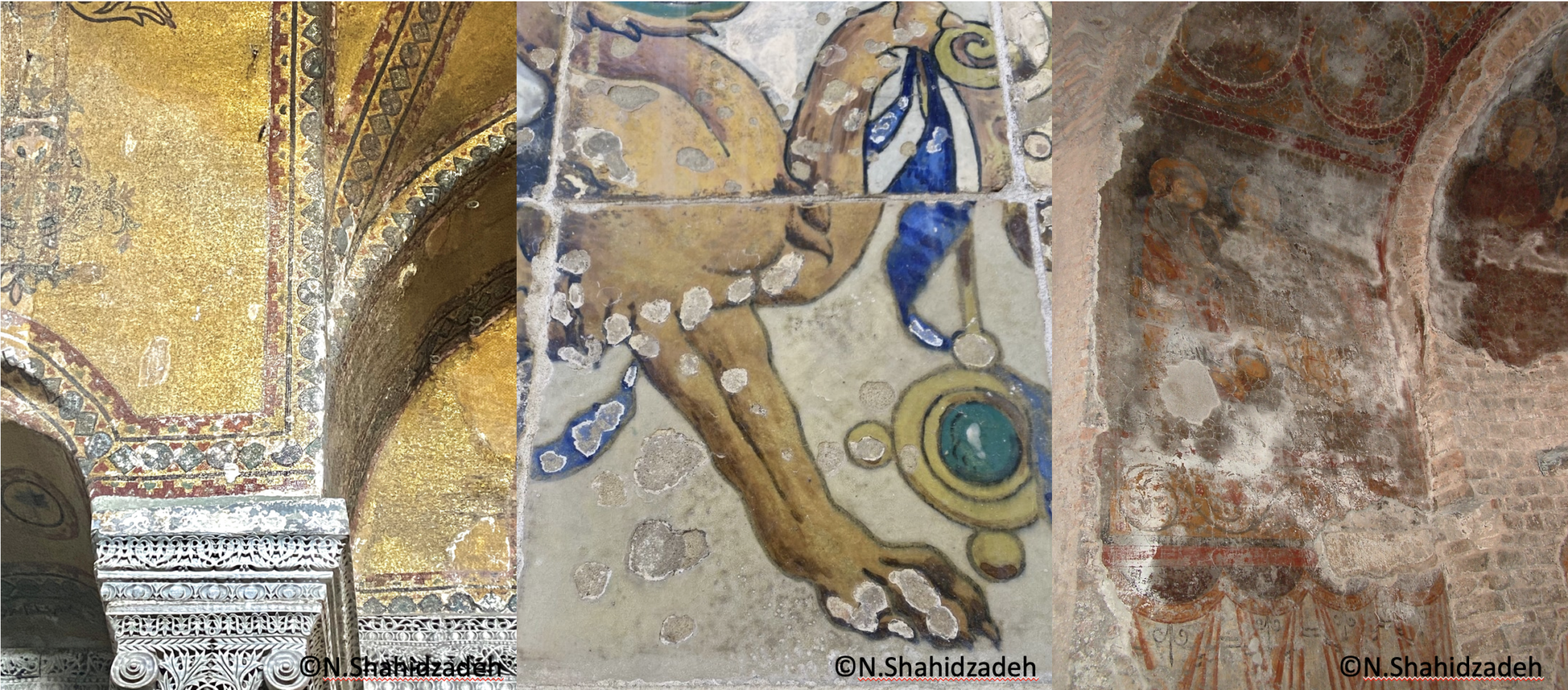
We are fascinated by crystallization and the many ways it shapes the world around us—from the intricate morphologies found in nature and the damage caused by salt in artworks and historic buildings to the design of new materials with finely tuned properties. Our research spans length scales from the micro- to the macroscale: from the self-assembly of nanocrystals to the fundamental processes of nucleation and growth of inorganic salts in droplets and in confined environments such as porous materials.
A central theme in our work is to unravel both classical nucleation and growth and non-classical pathways, especially in the presence of additives like polymers and surfactants or, mixture of ions in contact with different types of surfaces—knowledge that is key to controlling crystal structure, dynamics, and function.
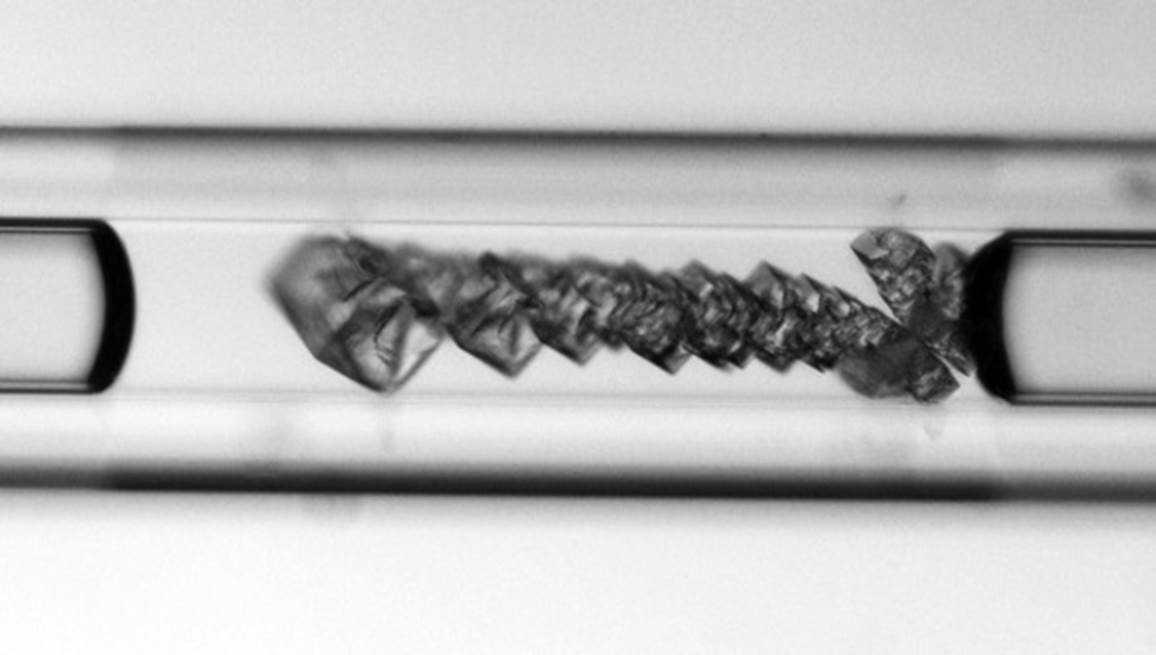
Banner: A crystal but, but not as we know it! Rozeline Wijnhorst et al, Softness of hydrated salt crysals under deliquescence, Nature Communications (2023).

The macroscopic properties of ice—ranging from its low friction to its complex growth morphologies—are fundamentally governed by the behavior of its outermost molecular layer. For

We do multiscale studies on interdisciplinary research projects addressing crystallization questions in various fields such as food science, civil engineering, pharmaceuticals, energy materials and much

Crystals are everywhere: in rocks, in everyday products, and even in the devices we use. Their ordered atomic architecture gives rise to striking shapes and a wide