News

Photo: Marina Zasorina, Pexels
Publications

Machine learning successfully predicts new materials for storing heat

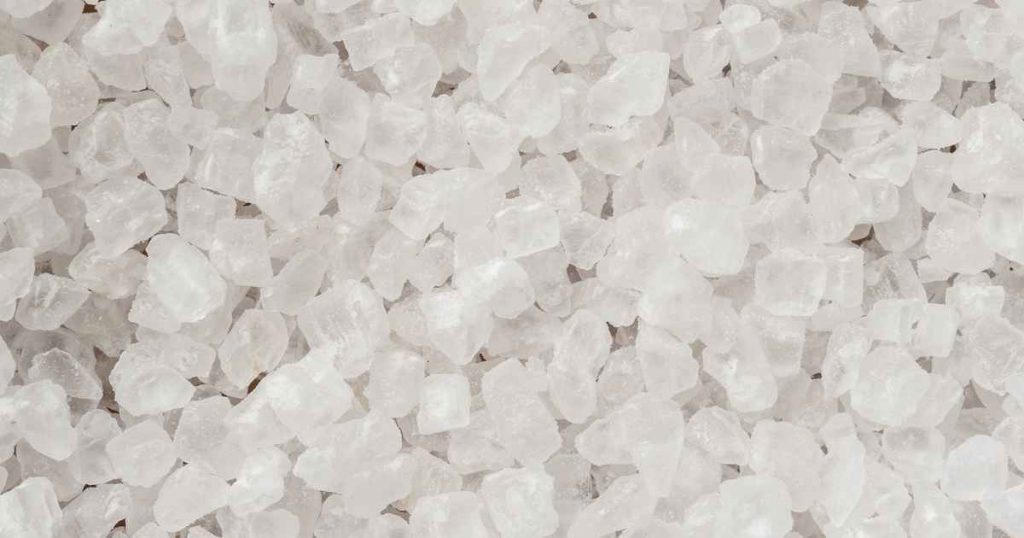
Scientists from the University of Amsterdam (UvA) have used AI to significantly speed up the search for better heat storage materials—an important step toward more sustainable energy systems. In a paper in the Nature journal ‘Communications Materials’, they present a new machine-learning approach to assess and select the best salt hydrates for thermochemical heat storage. Validated in cooperation with researchers at Radboud University Nijmegen, the method only requires the chemical composition of potential storage materials to predict their properties.

Read More
face
Publications

Printing with ice

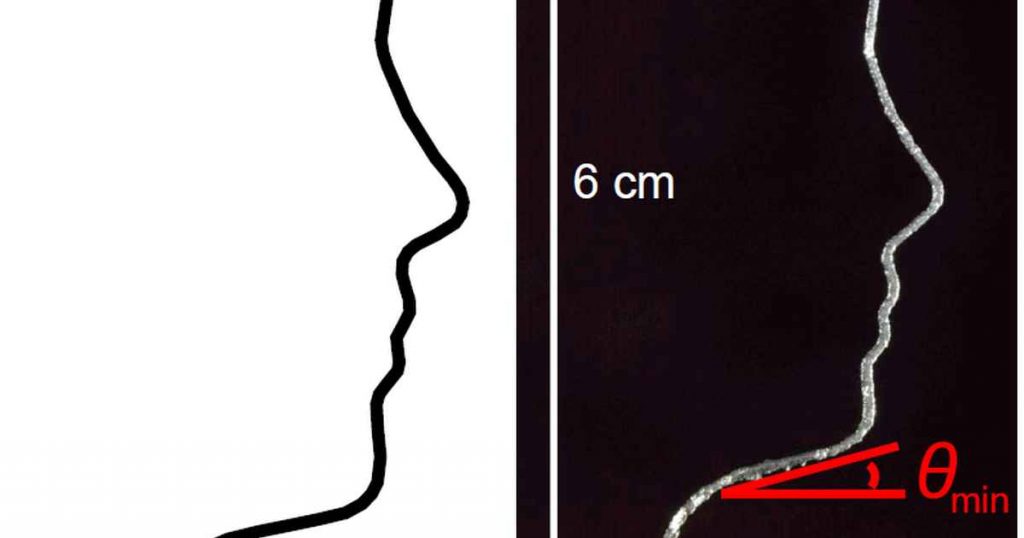
Physicists from the University of Amsterdam have developed a method to print three-dimensional structures in ice. Last December, the work gathered a lot of attention when the researchers 3D-printed a Christmas tree. In the scientific publication that came out this week, the researchers also show how small pillars can be printed under an angle, making it possible to print arbitrary profiles in ice that don’t need any additional support.

Read More
Curvature
Publications

Why curvature matters

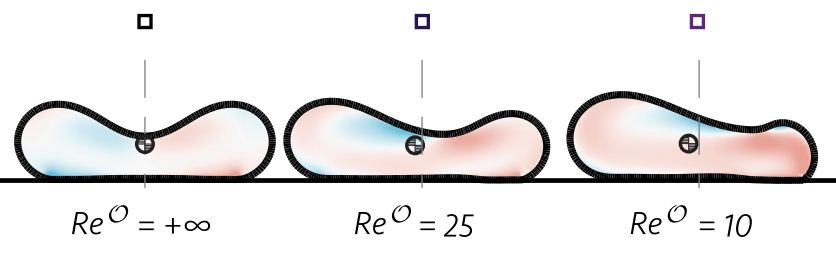
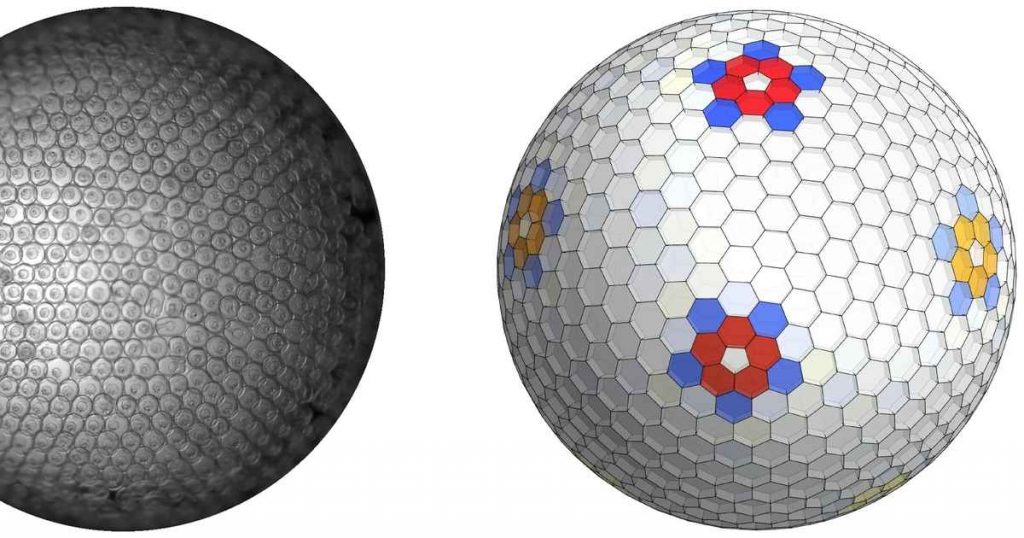
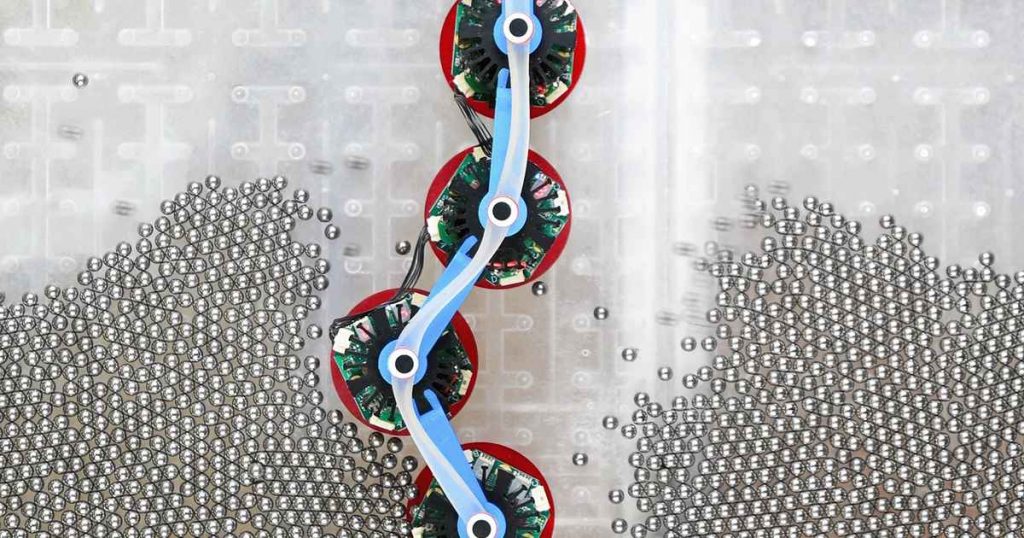
Many materials, both living and engineered, are powered from within. Scientists have thoroughly investigated how such ‘active’ materials operate, but so far, mostly in circumstances where the curvature of the environment does not play a role. In research published in Physical Review Letters this week, a team of physicists proposes a framework to describe how active materials operate in the presence of curvature. The framework explains striking biological observations and may lead to geometry as a design parameter for new materials.

Read More
Take-off
Grants

NWO Take-off grants for Corentin Coulais and Florian Schreck

NWO has recently awarded grants for Take-off feasibility studies to UvA-IoP researchers Corentin Coulais and Florian Schreck. Coulais’ project will study the possibilities for using dissipative metamaterials in the automotive industry, while Schreck’s project will investigate a method to produce affordable positioning sensors.

Read More
plantymers
Publications

Silk-inspired ‘plantymers’ as a biodegradable plastic

What if we could make plastic from plants? A team of researchers from the Netherlands and China introduces ‘plantymers’, plastics that are sustainably produced from plant proteins and that break down naturally in the environment. This invention tackles the two main drawbacks of traditional plastics.

Read More
Noushine Shahidzadeh
News

Noushine Shahidzadeh elected Getty Scholar

The Getty Research Institute, the Getty Conservation Institute, the Getty Foundation, and the Getty Museum have announced the 2026–2027 cohort of Getty Scholars. The Getty Scholars Program provides a dynamic platform for international scholars to pursue advanced research on art and its histories, broadly defined. From January-March, IoP physicist Noushine Shahidzadeh will be a Getty Conservation Institute Guest Scholar.

Read More
Poo Emoji
Publications

Why the poo emoji has its shape

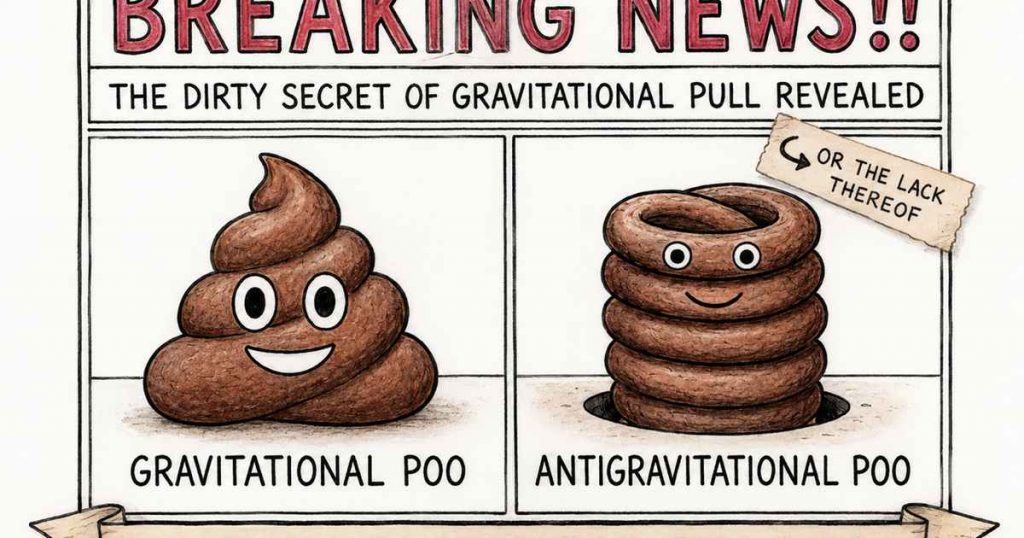
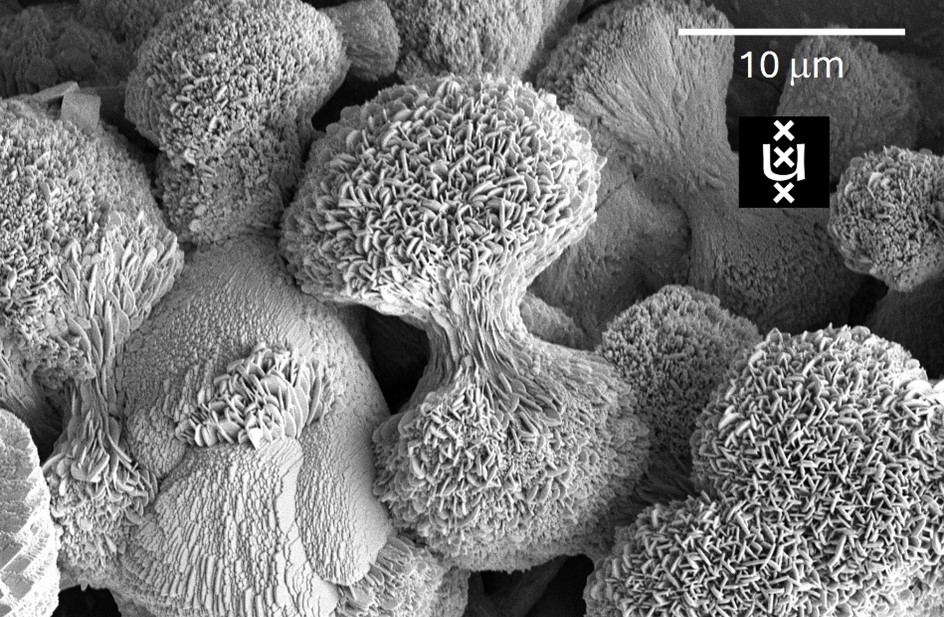
Ask a child to draw some poo, and the shape will invariably be the same: a coil, broad at the base and pointy at the top, similar to a spiral swirl of soft-serve ice cream. In fact, the often-used poo emoji has this exact shape, as do most actual mounds of faeces found in nature. Exceptions occur, though: in particular, in the faeces of some worms, that extrude their excrement ‘upside down’ from the ground. As it turns out, there is remarkable physics behind these differences in poo shapes.

Read More
Publications

When Motion Prevents Order

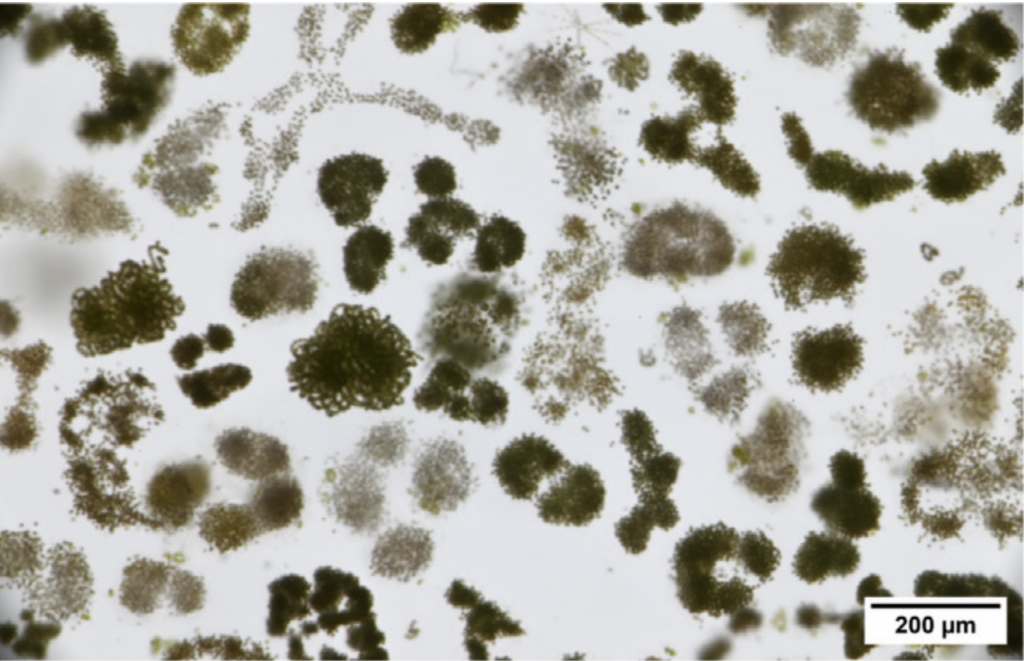
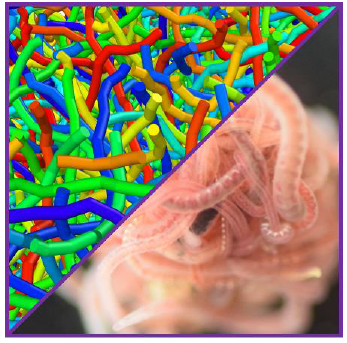
Pack enough string-like objects together, and they will begin to align with one another. But replace the strings with worms or bacteria living in your

Read More
Metamaterial
Publications

Materials – but not as we know them

Active matter can use internal energy to change its shape and functionality when external forces are applied. The study of active materials is a dynamic, modern field of research. A team of physicists from the universities of Amsterdam, New South Wales and Cambridge have recently arrived at striking conclusions about this very special form of matter.

Read More
The new metamaterials can learn to take on any shape
Publications

Materials that learn to change shape

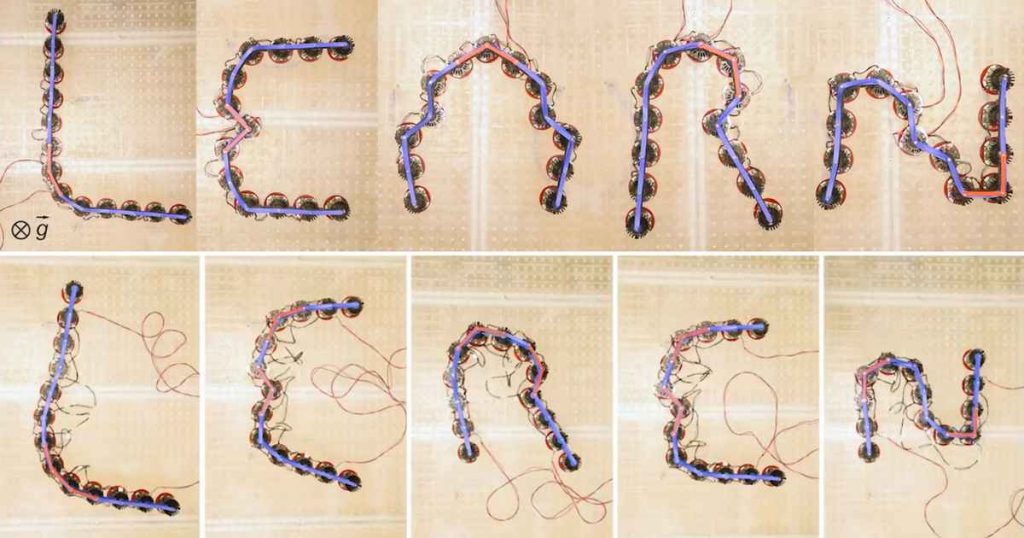
In a new Nature Physics publication, University of Amsterdam researchers introduce human-made materials that spring to life. These ‘metamaterials’ don’t just learn to change shape, but can autonomously adapt their shape-changing strategy, perform reflex actions and move around like living systems do.

Read More
No more posts to show

Postal Adress

Van der Waals-Zeeman Instituut
University of Amsterdam
P.O. Box 94485
1090 GL Amsterdam

Visit us

Science Park 904
C4.238 (4th floor)
1098 XH Amsterdam
The Netherlands

Contact us

Phone: +31 (0)20 525 6311
Fax:      +31 (0)20 525 5102
Email:   secr-iop-science(at)uva.nl