Ice research: skating 3D printing and icicles
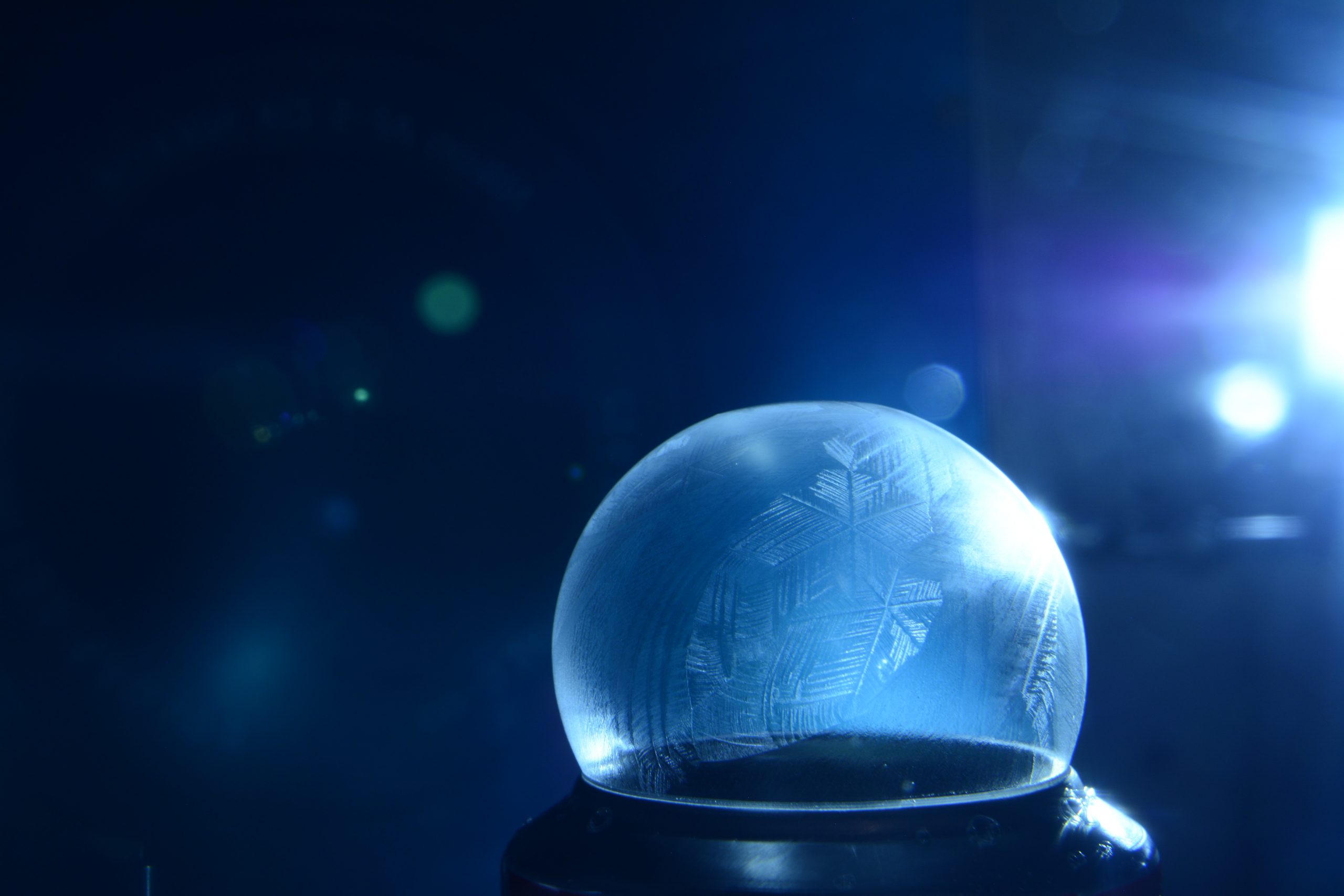
Our ice research spans from controlling ice formation and geometry to understanding why ice is slippery and how its surface evolves. A recent line of

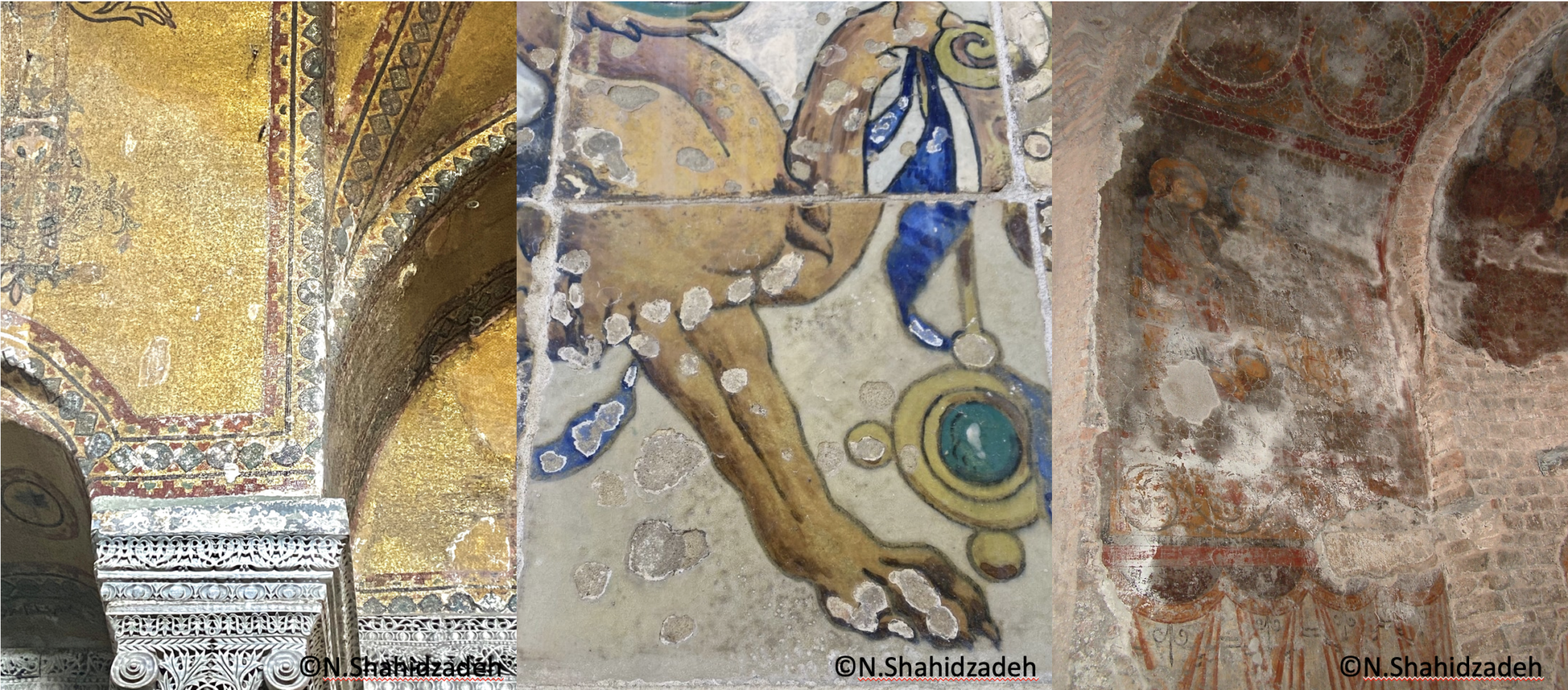
Crystals are everywhere, shaping both the natural and human-made world in fascinating ways. We are interested in crystallization and its many manifestations—from the intricate morphologies found in nature and the damage caused by salt in artworks and historic buildings to the design of new materials with finely tuned properties.
Our research spans length scales from the micro- to the macroscale: from the self-assembly of nanocrystals to the fundamental processes of nucleation and growth of inorganic salts in droplets and confined environments such as porous materials.
A central theme in our work is to unravel both classical nucleation and growth mechanisms and non-classical crystallization pathways, especially in the presence of additives such as polymers and surfactants, mixtures of ions, and different types of surfaces. Understanding these interactions is key to controlling crystal structure, dynamics, and function.
Banner: A crystal, but not as we know it! Rozeline Wijnhorst et al., Softness of hydrated salt crystals under deliquescence, Nature Communications (2023).

Our ice research spans from controlling ice formation and geometry to understanding why ice is slippery and how its surface evolves. A recent line of

From fundamental crystallization to real-world applications Our research connects fundamental insights into crystallization with real-world challenges, from protecting cultural heritage against salt damage to developing
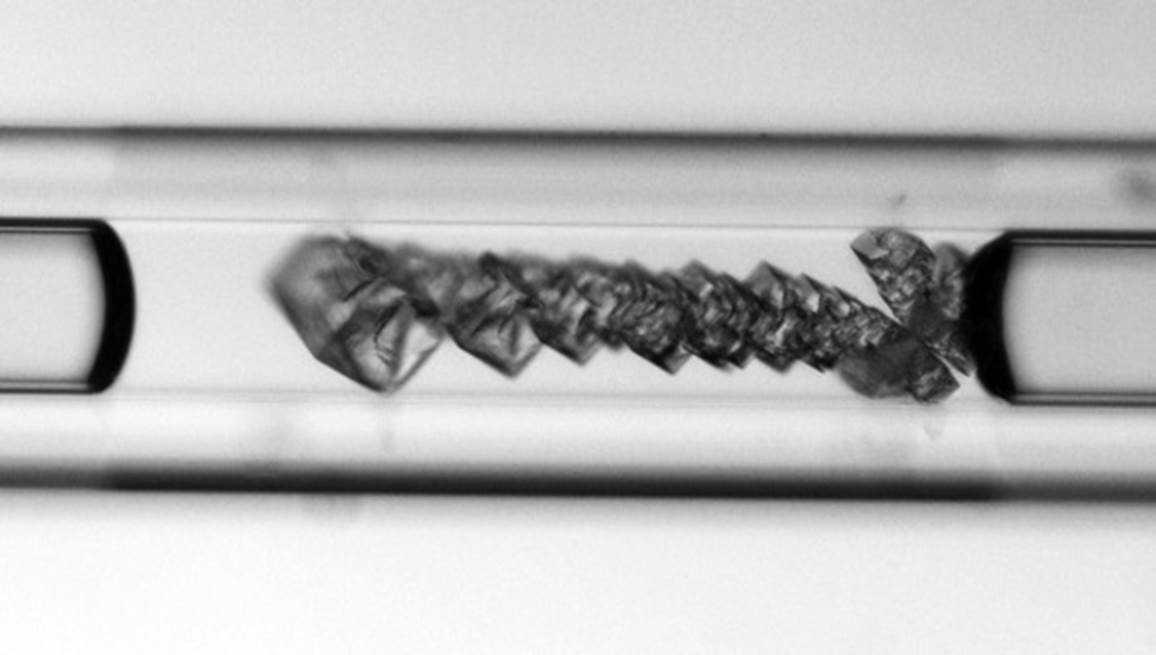
Crystals are everywhere: in rocks, in everyday products, and even in the devices we use. Their ordered atomic architecture gives rise to striking shapes and