Publications
When Motion Prevents Order
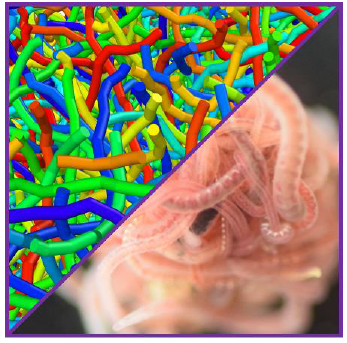
Pack enough string-like objects together, and they will begin to align with one another. But replace the strings with worms or bacteria living in your

Pack enough string-like objects together, and they will begin to align with one another. But replace the strings with worms or bacteria living in your

Collagen is the main structural component of the human body. It is found in a wide range of tissues—from strong tissues such as tendons to
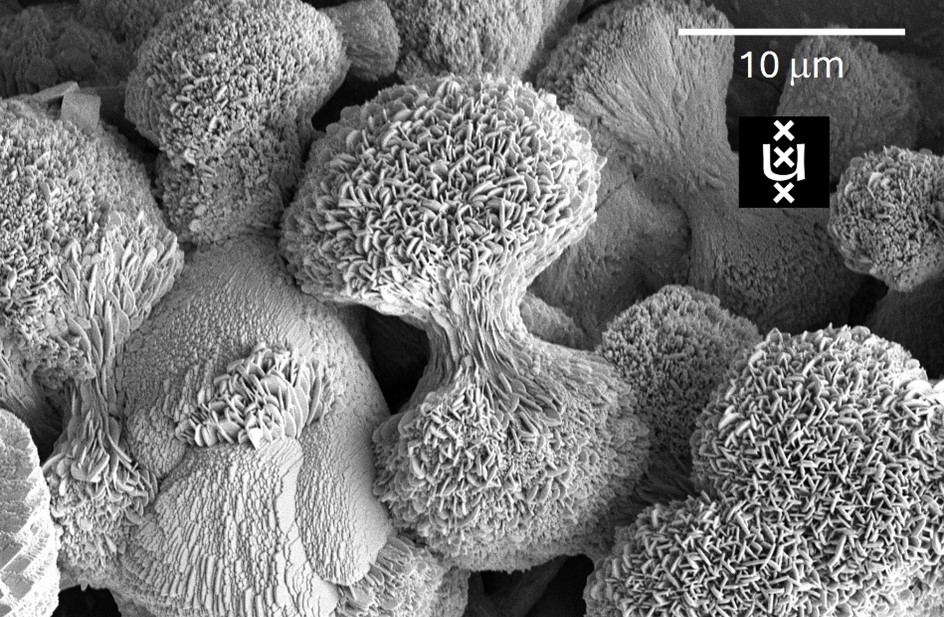
We reveal that for mixtures of different ions, something extraordinary occurs. Instead of forming a single flawless crystal, the matter can organize itself into so-called
Do you enjoy working in a vibrant research setting and do you want to be active in a variety of educational programmes? The Van der Waals-Zeeman
Are you a highly motivated physics graduate with a strong interest in soft matter, active matter, and statistical mechanics? We are looking for an ambitious PhD
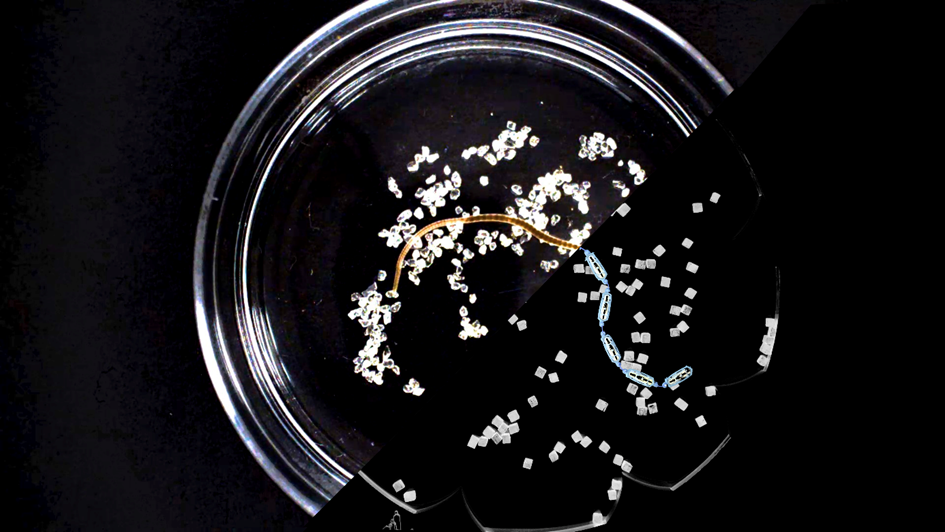
When observing small worms under a microscope, one might observe something very surprising: the worms appear to make a sweeping motion to clean their own

Ever wondered why a forgotten champagne bottle bursts after a night in the freezer? While the expansion of water during freezing certainly plays a major
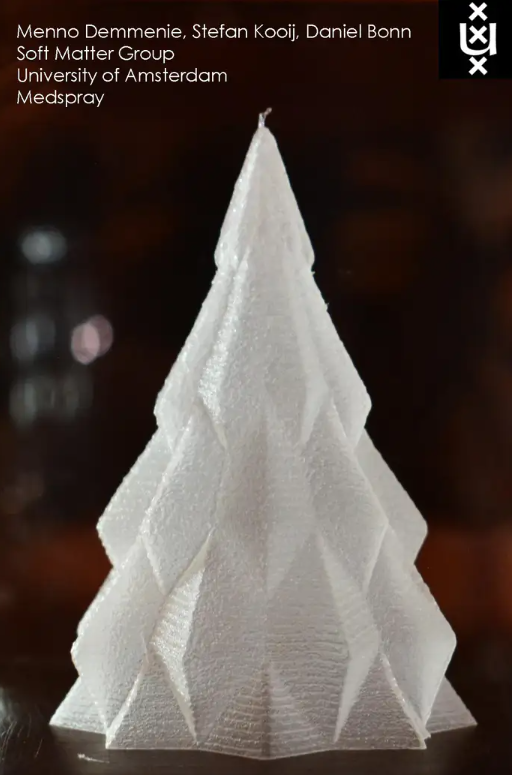
A team of physicists from the University of Amsterdam’s Institute of Physics has 3D-printed a Christmas tree made entirely of ice. Researchers Menno Demmenie, Stefan
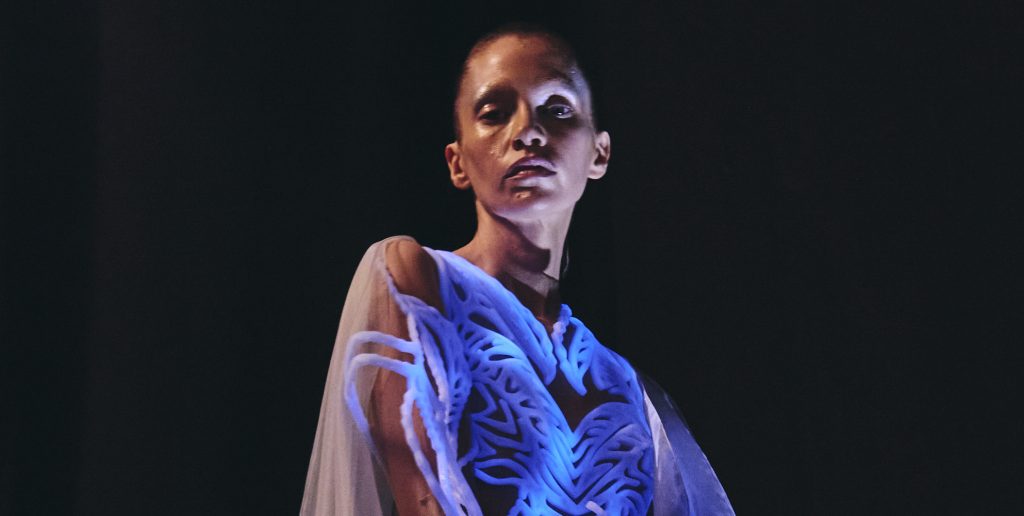
A very special look was presented earlier this week by fashion designer Iris van Herpen at the Paris Haute Couture Week. The garment: a bioluminescent
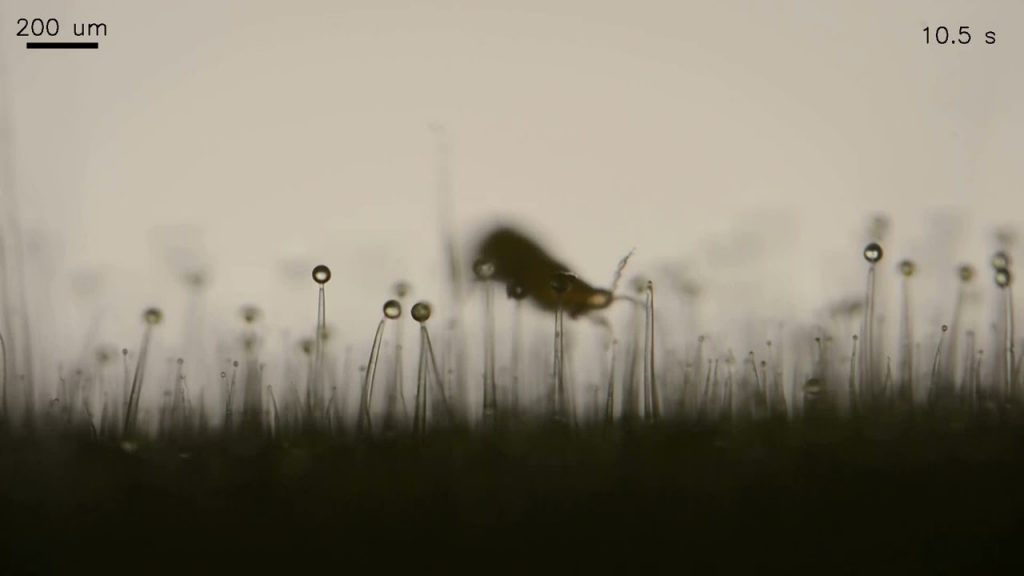
Many plants use tiny ‘hairs’ called trichomes as a first line of defence against plant-eating insects. New research by experimental physicists and plant physiologists at
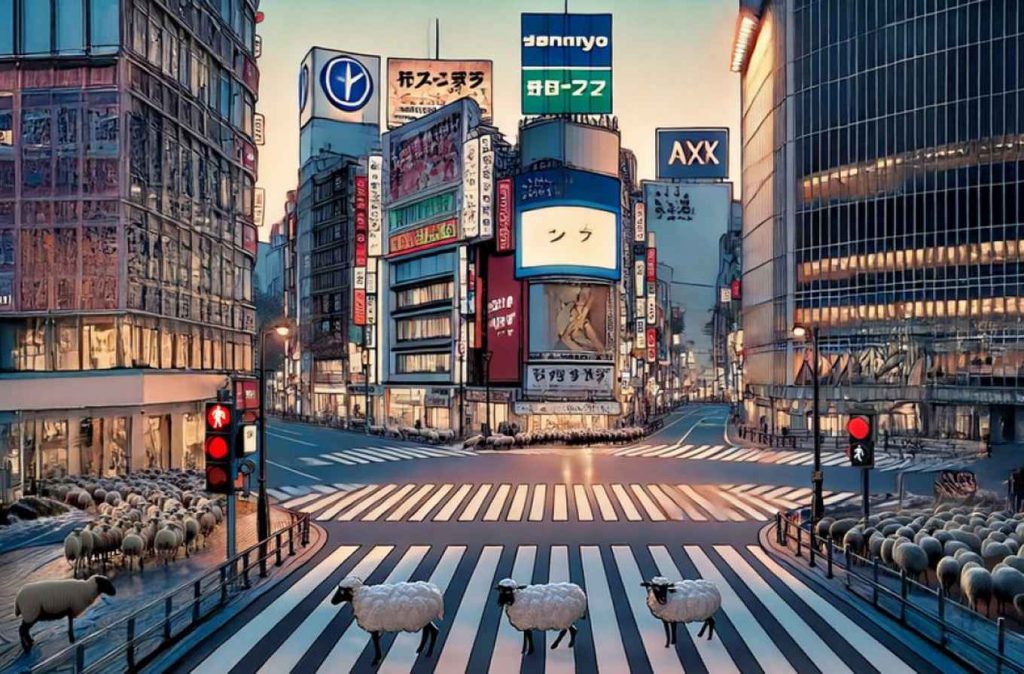
Picture yourself at a busy pedestrian crossing. When the light is red, everyone waits – until one person starts to cross. Soon, others follow, and
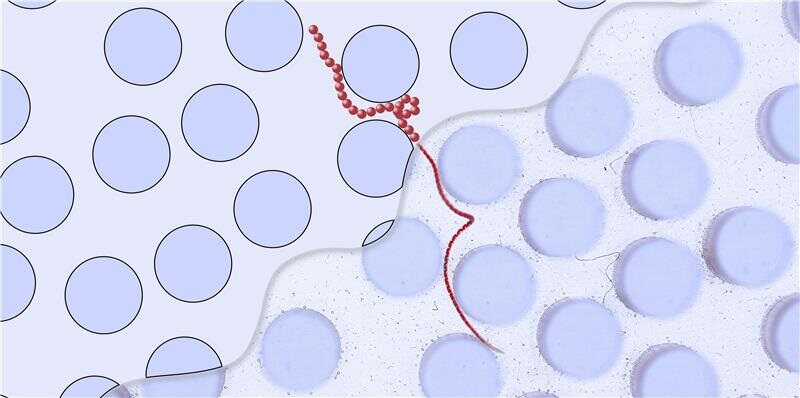
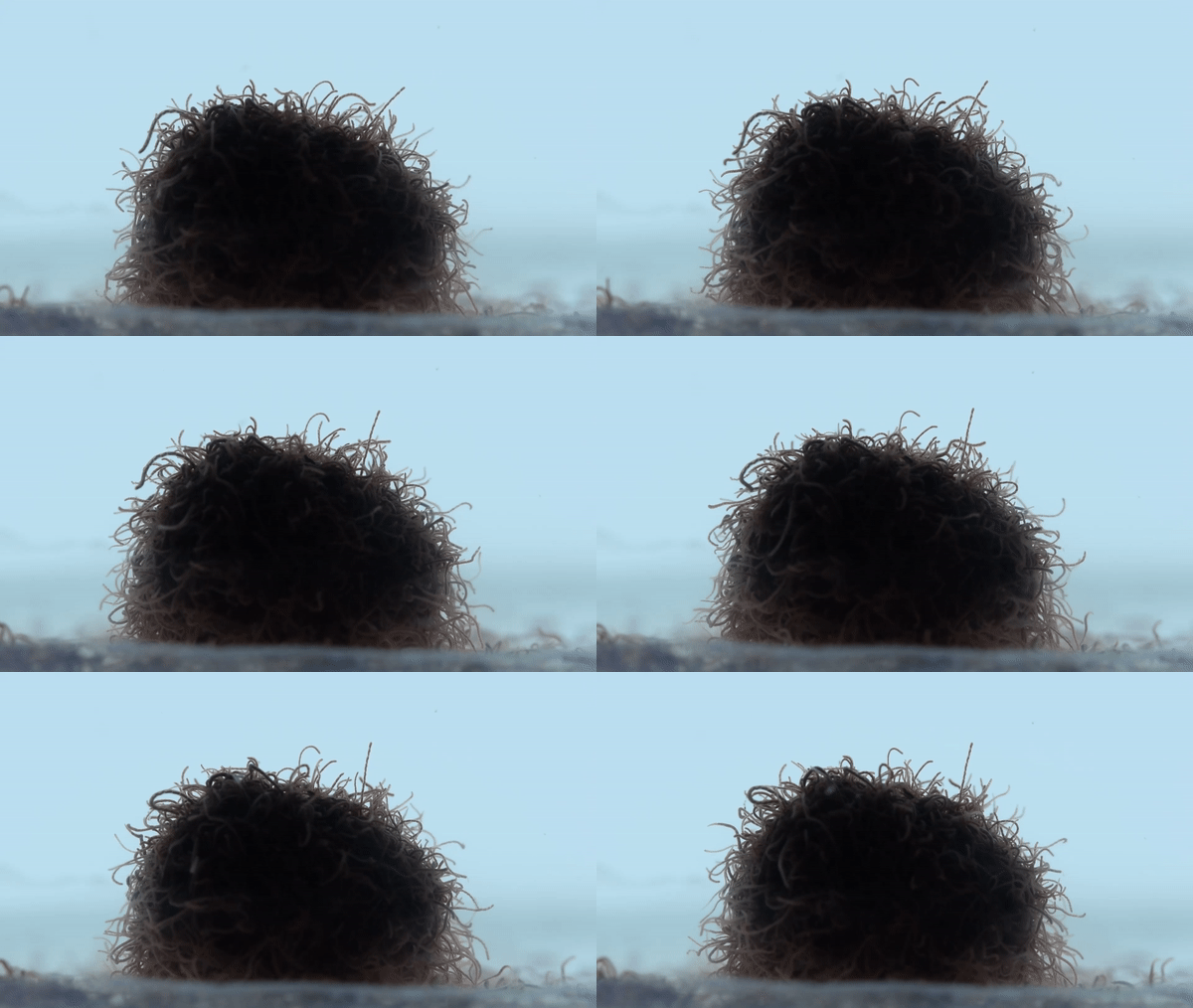
In a crowded room, we naturally move slower than in an empty space. Surprisingly, worms can show the exact opposite behaviour: in an environment with
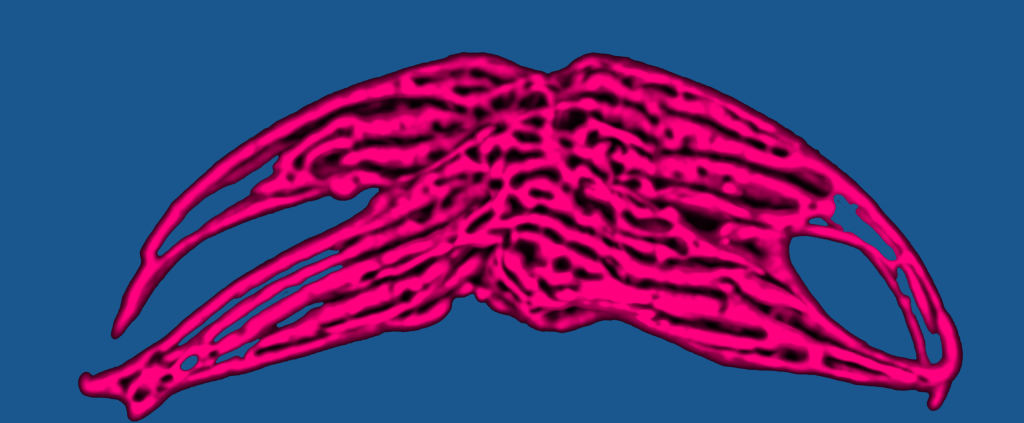
Nico Schramma was awarded the Emerging Soft Matter Excellence (ESME) award during the APS Global Physics Summit in Anaheim, California.After giving a talk on his
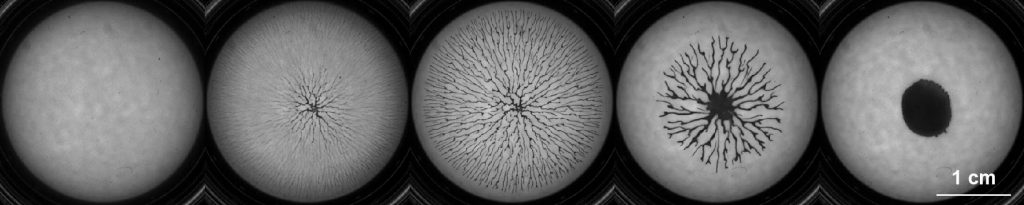
Isabelle Eisenmann was among the winners of this year’s Division of Soft Matter (DSOFT) Gallery of Soft Matter photo and video competition, for a video
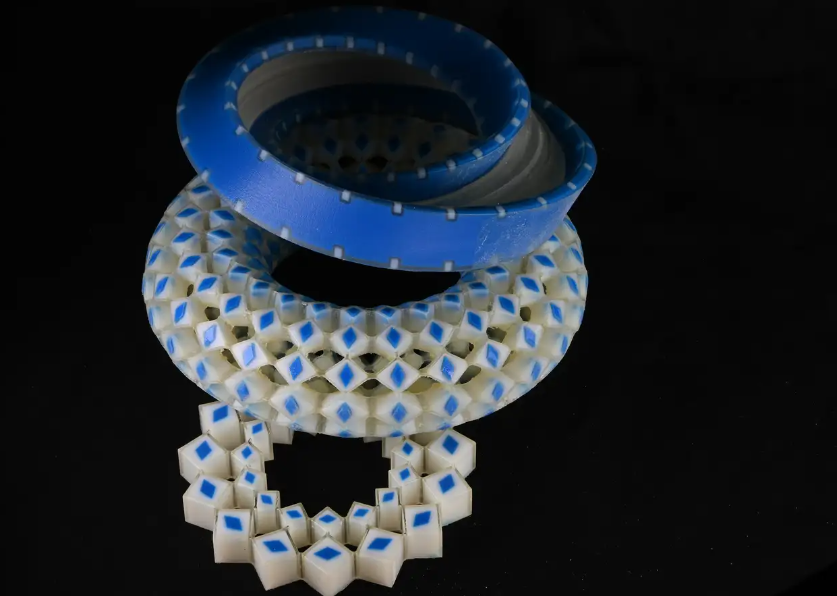
Physicist Xiaofei Guo is the winner of the Ehrenfest-Afanassjewa physics thesis award 2024. She carried out her PhD at UvA-IoP in the research in the
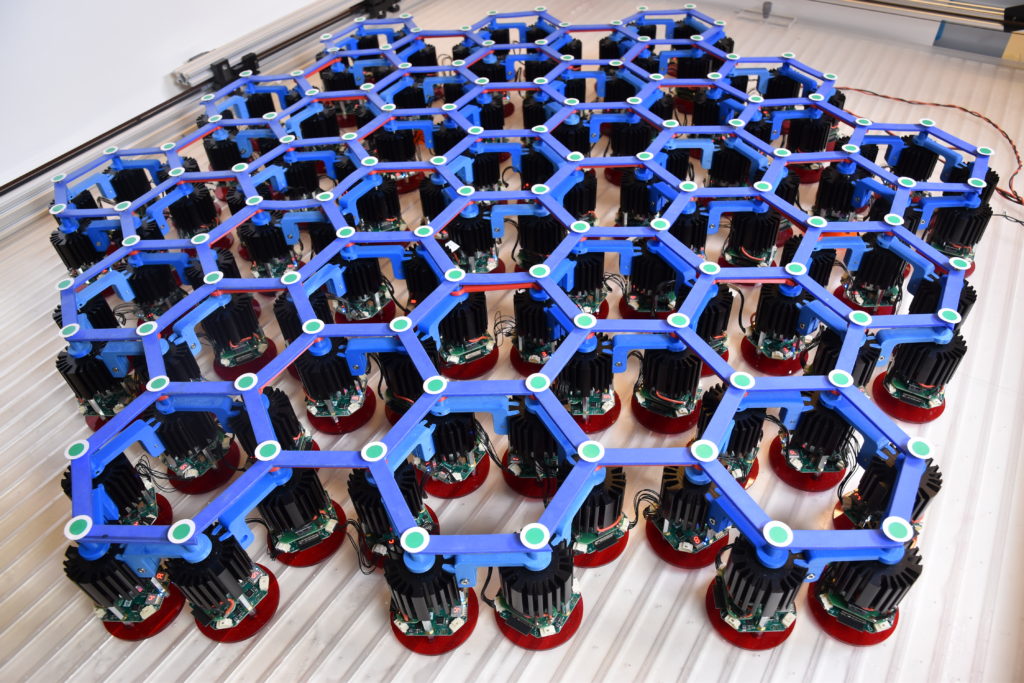
The European Research Council has awarded a three million euro Consolidator grant for the project “Animating Metamaterials using Non-Reciprocity” (ANIMETA) of UvA physicist Corentin Coulais.