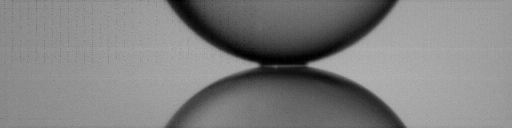

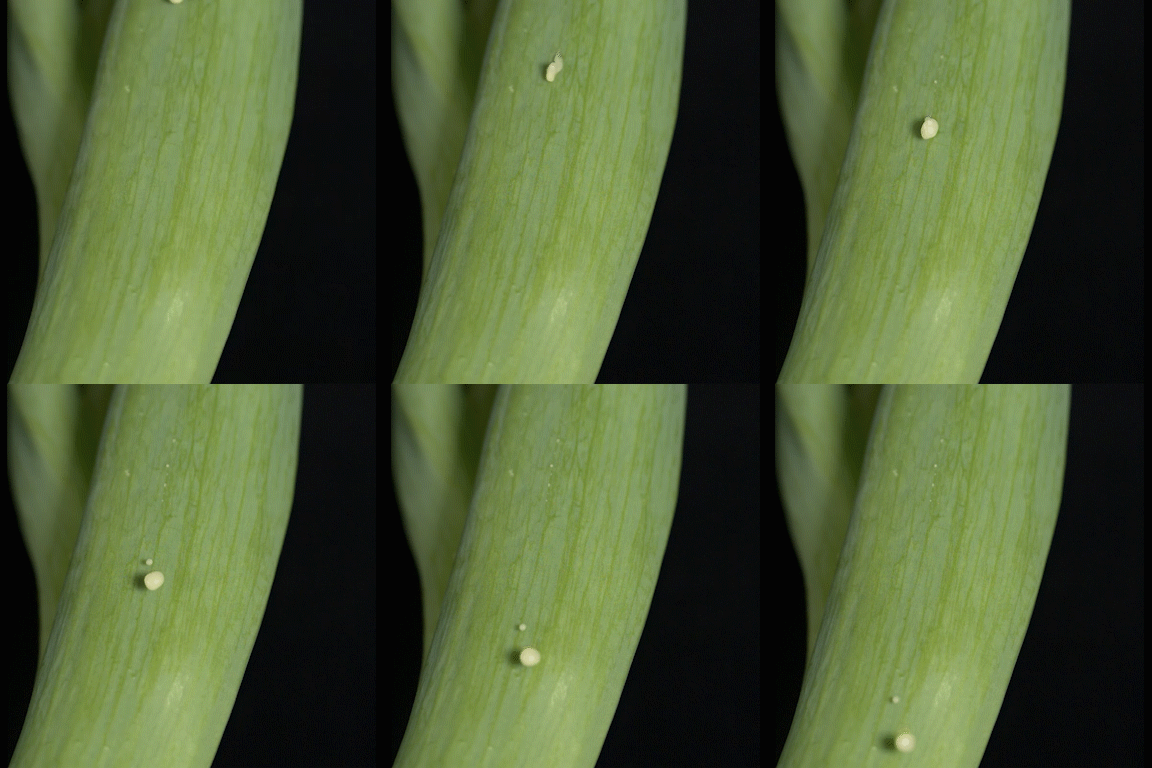
Emulsions (e.g. cosmetic creams and mayonnaise) and polymer solutions (e.g. saliva, hair gels) are examples of complex fluids: they have an internal microstructure which deforms as the fluid flows. This leads to fascinating flow phenomena caused by the non-linear relationship between the rate of deformation of the fluid and the stress required to apply the deformation. For instance, some emulsions only flow beyond a critical (yield) stress, which is why creams don’t flow out of their containers when put upside down.
In the Soft Matter group, we aim to understand the link between the fluid’s microstructure and its rheological (mechanical) properties, as well as the effect of these properties on macroscopic flows in a wide variety of situations. These situations include the fragmentation of liquid sheets and jets in sprays, droplet coalescence, dynamic wetting at the nanoscale and splashing of liquid droplets.

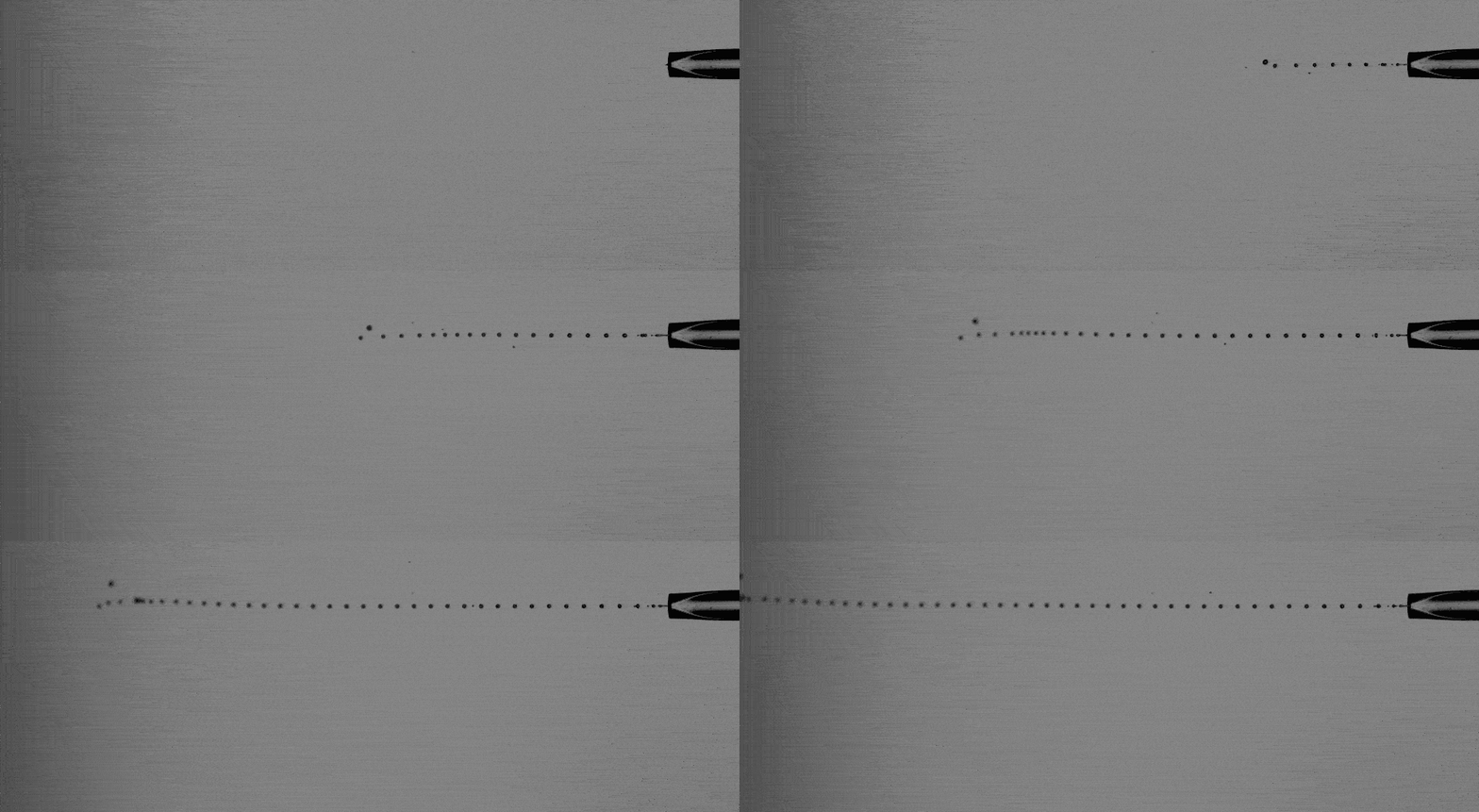
We use a drop-on-demand system (as in inkjet printers) to generate controlled droplet trains with tunable speed, spacing, and number of drops. This allows us
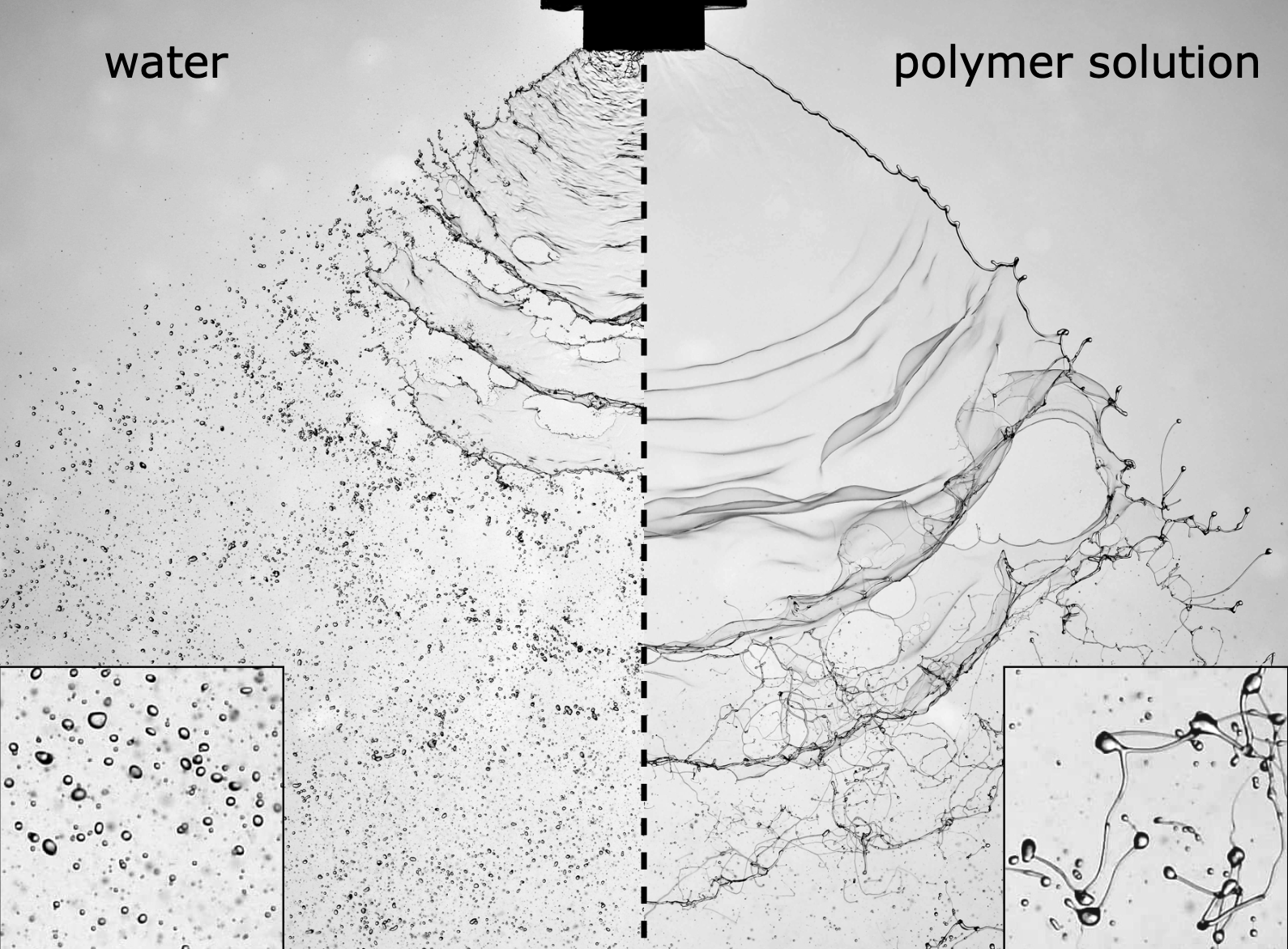
Sprays and droplet impact A major motivation for our work on complex fluids comes from agricultural spraying in the Netherlands, where spray drift and droplet
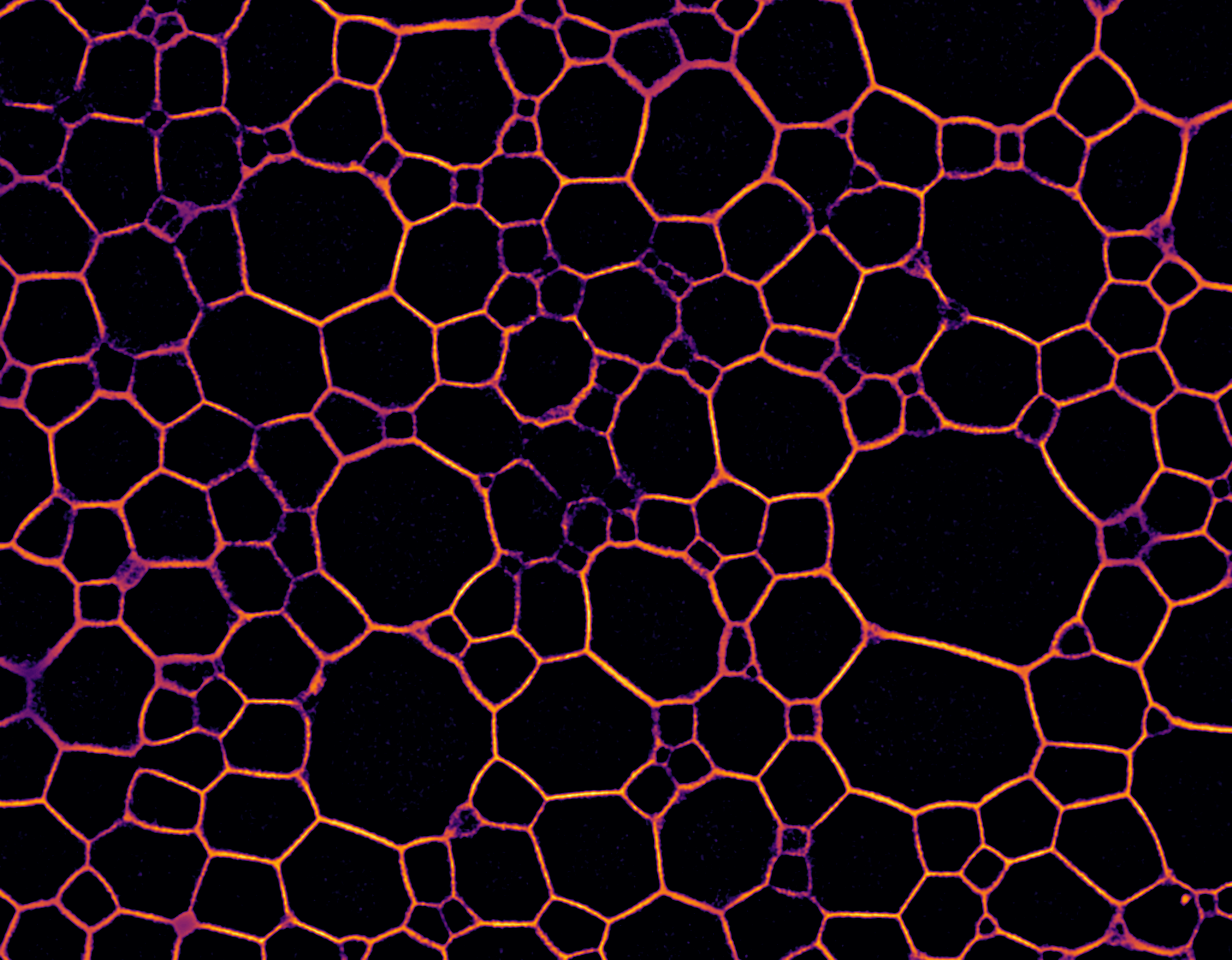
Emulsions play an important role in everyday life and can be found in for example food, cosmetics and paints. They consist of two immiscible liquids